
Build a Buzzing Pocket Garden This Weekend
Ready to turn a tiny corner into a sanctuary for bees, butterflies, and hummingbirds? In this guide, we build a pollinator-friendly pocket garden in just one weekend, blending native plants, simple materials, and joyfully quick steps that boost biodiversity and brighten your everyday routines. Subscribe and tell us what visited your garden this week; your observations shape future builds and plant lists.
Pick the Sunniest, Calmest Corner
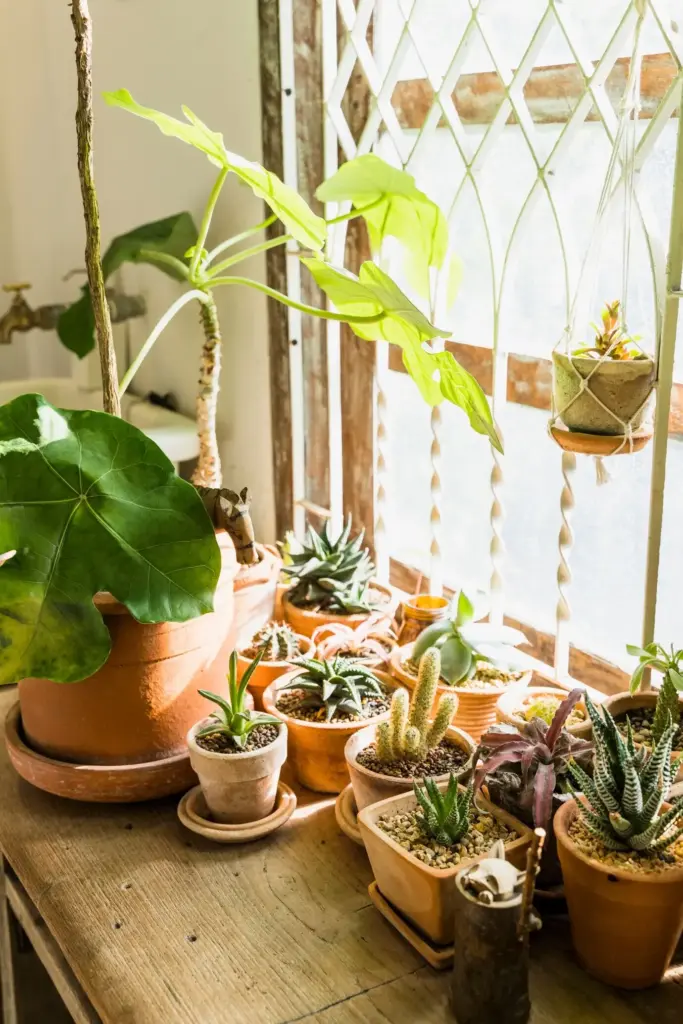
Observe sunlight across morning and afternoon, noting wind tunnels and reflected heat from walls. Choose a spot with at least six hours of light, nearby water access, and safe distance from pesticide drift, ensuring comfortable foraging and resting zones for winged visitors.
Gather Simple, Sustainable Materials
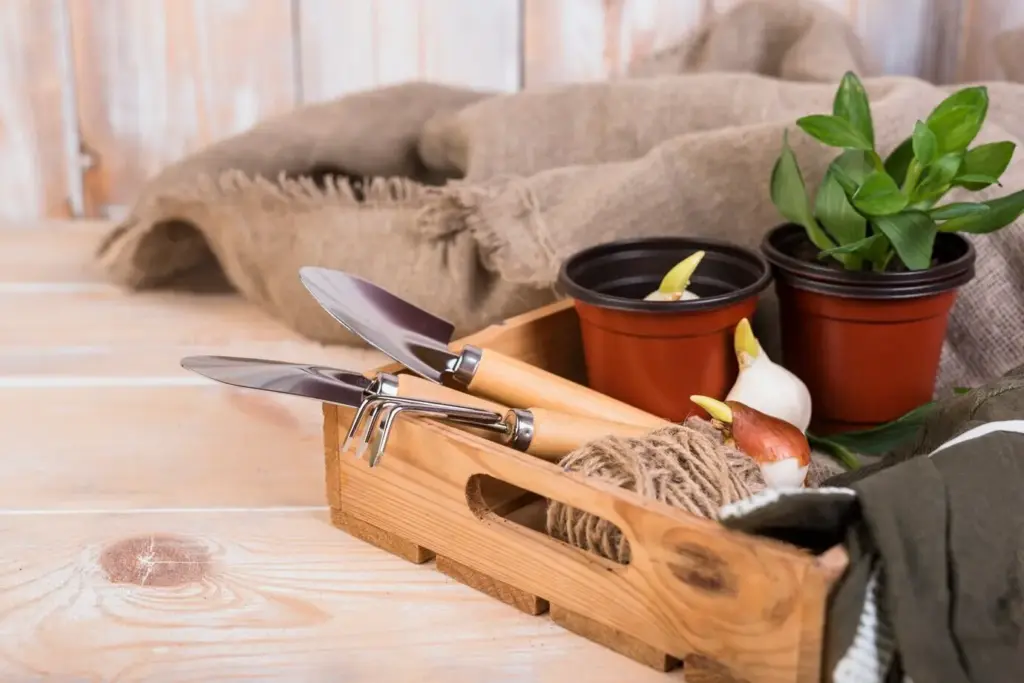
Collect peat-free potting mix, compost, mulch, untreated wood planters or repurposed containers, a shallow dish for water, stones for landing pads, and hand tools. Prioritize local suppliers to cut emissions and costs while strengthening neighborhood green economies.
Plants That Feed, Shelter, and Spark Delight
Choose native flowers and herbs that bloom in succession, offer nectar with varying corolla shapes, and provide larval host foliage. Aim for diversity across colors and heights, so bees, butterflies, and night-flying moths find nourishment throughout the growing season.
Water and Soil That Welcome Life
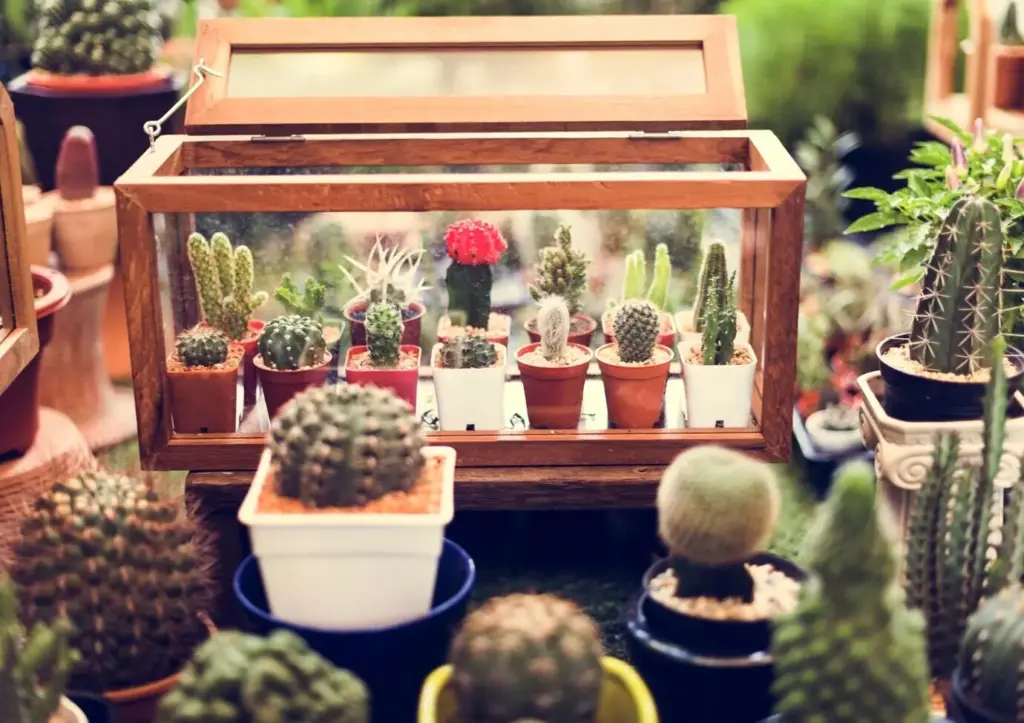
Reliable moisture and living soil turn small plantings into thriving habitat. Create shallow water with escape pebbles, layer compost for steady nutrients, and avoid synthetic pesticides, letting predatory insects and balanced microbes naturally manage everyday garden challenges.
A Safe, Shallow Water Station
Use a saucer filled with clean water and marbles or stones so bees can land without drowning. Refresh daily in heat, situate near blooms yet shaded in the afternoon, and prevent algae by rinsing gently, avoiding soaps or chemicals completely.
Compost, Mulch, and Microbiome Health
Mix finished compost into planting pockets to boost structure and moisture retention. Top with leaf mulch to shelter ground-nesting bees and regulate temperature. Healthy soil communities deliver nutrients slowly, reducing stress while strengthening the plants that feed visiting pollinators.
Skip Pesticides, Embrace Balance
Support beneficial insects by removing stressed leaves, handpicking pests, and allowing small populations to attract natural predators. Plant diversity breaks pest cycles, while neem or soap only as a last resort protects delicate larvae and the foragers you want visiting.
Design Tricks for Tiny Spaces
Whether balcony, stoop, or narrow side yard, compact strategies make beauty and habitat possible. Use vertical layers, reflective surfaces, and bright containers to expand light. Keep pathways clear for maintenance, and cluster plants so pollinators conserve energy while foraging.
Fast Build Steps, Start to Finish
Turn planning into action with clear, bite-sized tasks. Prepare soil or containers, stage plants by height, install water, and mulch edges. Work in sprints with breaks, stay hydrated, and snap photos to track progress and celebrate visible transformation.
Care, Monitoring, and Ongoing Delight
Short, regular habits keep the garden thriving. Water deeply but less often, deadhead selectively, and leave seed heads for birds. Track bloom times and visitor diversity, adjusting plant mix to sustain energy-rich forage during challenging heat or shoulder seasons.
A Weekly Ten-Minute Routine
Check moisture with your finger, water containers until runoff, and remove spent blooms strategically. Refresh the water saucer, top off mulch thinly, and note new species you recognize, encouraging curiosity that turns quick maintenance into meaningful, restorative micro-moments.
Observe, Record, and Celebrate
Keep a simple log using your phone or a pocket notebook. Record first blooms, first butterflies, and unusual visitors. Patterns reveal gaps you can fix, while gratitude entries remind you why small daily care multiplies joy over months.
Invite Friends, Build Corridors, Share the Buzz
Your tiny sanctuary can stitch together bigger pathways across rooftops and yards. Add a small sign, offer cuttings, and share photos. Encouraging neighbors multiplies nectar stations, helping pollinators move safely through dense neighborhoods and unpredictable seasonal weather shifts.
Spark Conversations With Welcoming Cues
Place a friendly marker explaining that chewed leaves mean caterpillars are thriving. Invite questions, create a QR code to resources, and suggest pesticide-free habits. Gentle messaging turns curiosity into participation, expanding habitat one intrigued passerby at a time.
Swap Seeds, Share Cutings, Grow Together
Harvest seeds from dried heads, label by bloom period, and package small envelopes for neighbors. Offer cuttings of sturdy herbs like mint or oregano. Collective planting builds resilience, ensuring food sources persist even when one pocket garden faces setbacks.
All Rights Reserved.